The day we met Piton
Katherine Harrison
June 7, 2024

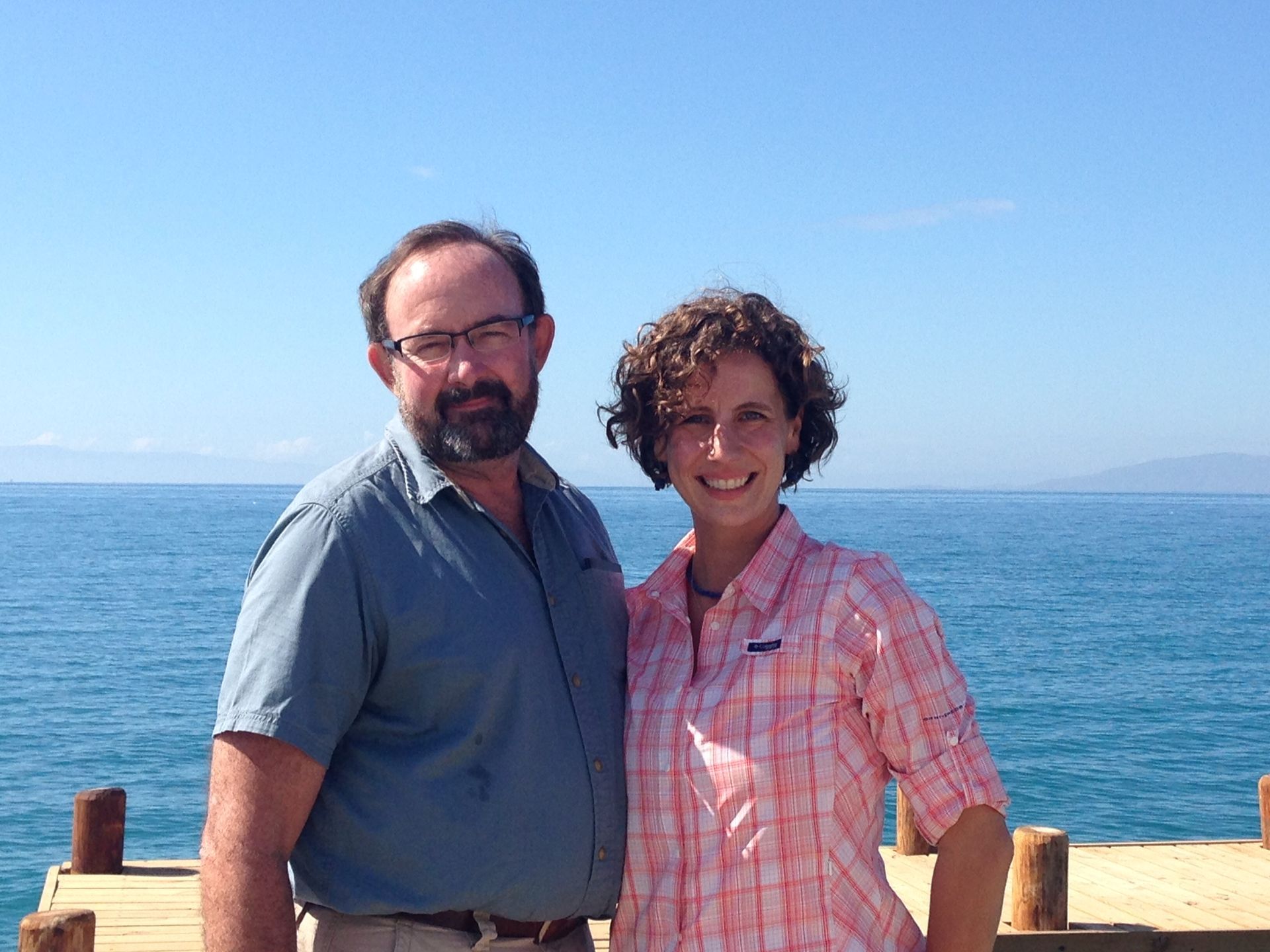
Ten years ago, Tom and I had just met the year before. We began spending significant time together late in the year 2013. By January 2014, we had two trips planned to Haiti together in about as many months. We were going to Tom's friend Pastor Pierre's mission, La Croix New Testament Mission on the northern peninsula of the country. For the second trip we decided to meet up with a Haitian friend of mine that I'd met a few years earlier and who had stayed in touch with me through Facebook messenger while I worked in Tomazo. I had been too involved in that work to even entertain making the trip to Samuel's village. Now that I had Tom as an adventurous partner in travel, we decided to find our way to Samuel. We connected with another friend in Port au Prince and met Samuel in Petit Goave, on the southern peninsula, and a couple miles away from Piton Mountain.


In Samuel's words, he needed us to visit because his village needed a doctor (Tom is an MD). This was further supported by Samuel himself having a very tough spring cold at the moment, so severe his dark skin was pale. I could tell he felt terrible but he was meeting with us anyway. It was good to see him after a few years apart and he was the same Samuel I remembered.
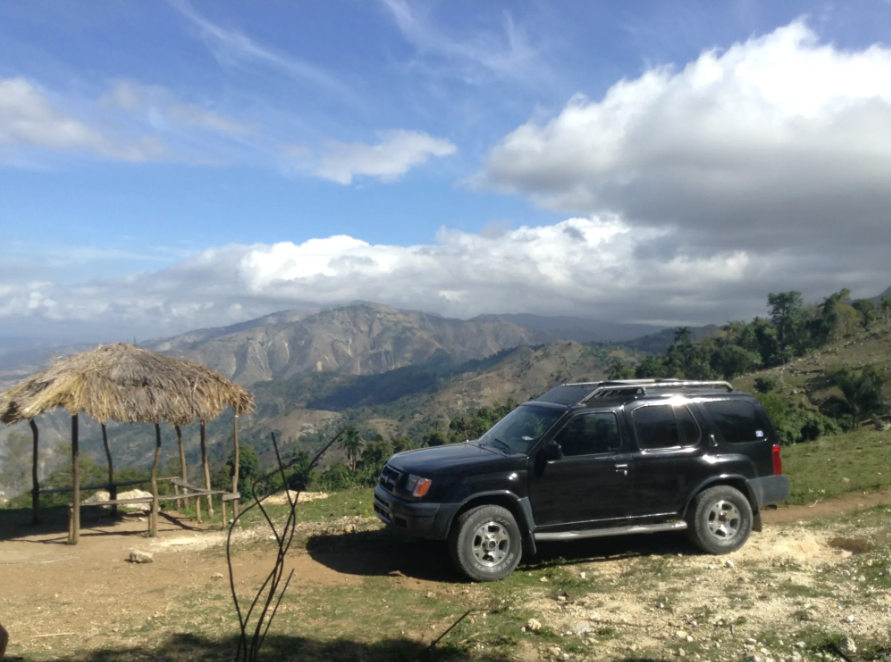
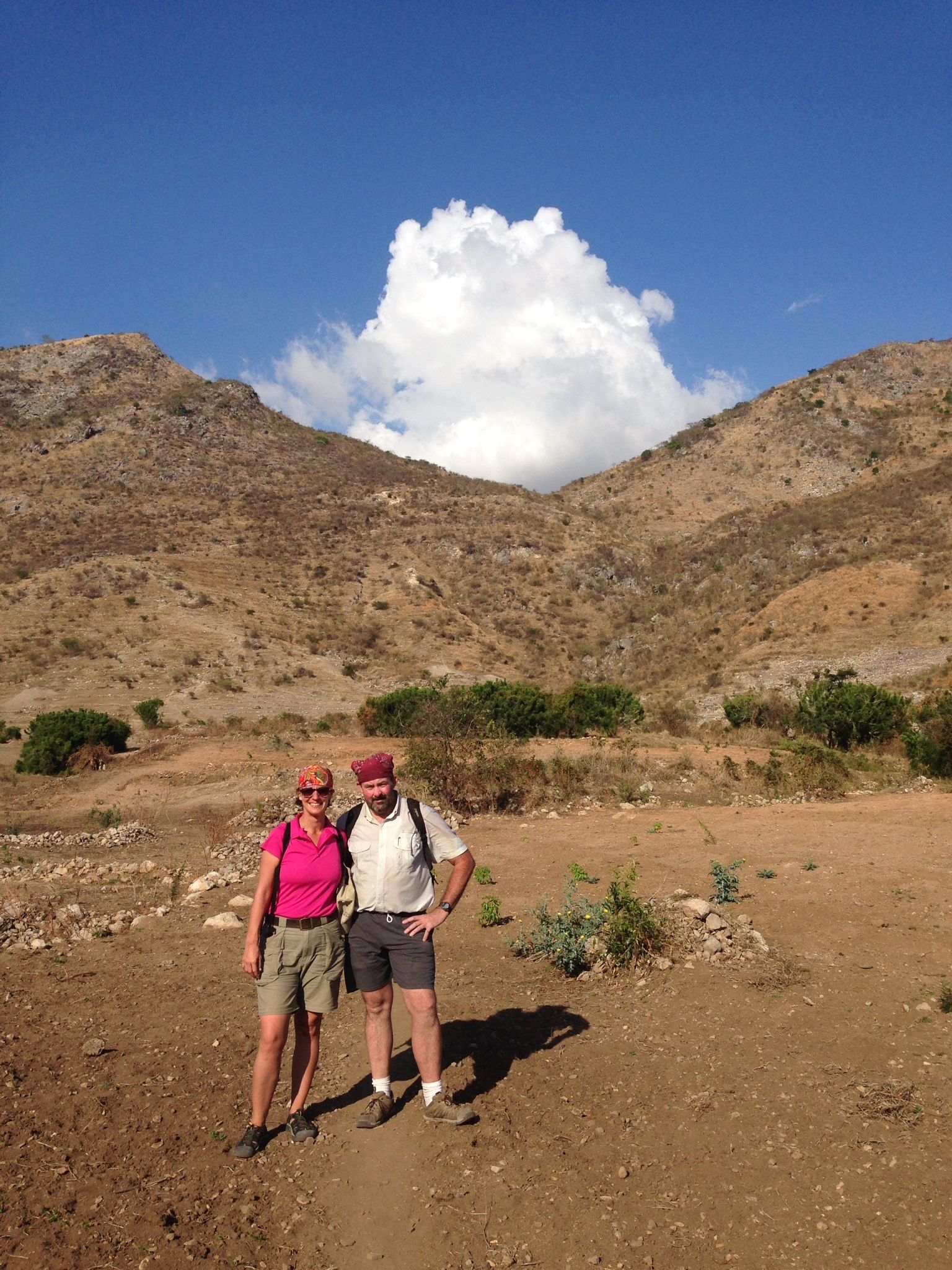
We piled into a small SUV, four or five of us, and began the hour long drive - which is probably no more than 20 miles. We went a few miles out of the city of Petit Goave on Route 2 (one of two major highways in the country) and then turned right onto a road that quickly angled up. Like, 45° angle up. The mountain itself was lush and green and peppered with small enclaves of communities. A convenience store here and there, schools and churches, too. We drove past all that and kept going up. Every now and then there would be a break in the trees and you could see out across the hills and chart your progress up. It became literally breathtaking to gaze out over the mountains, being closer to the clouds than the water.
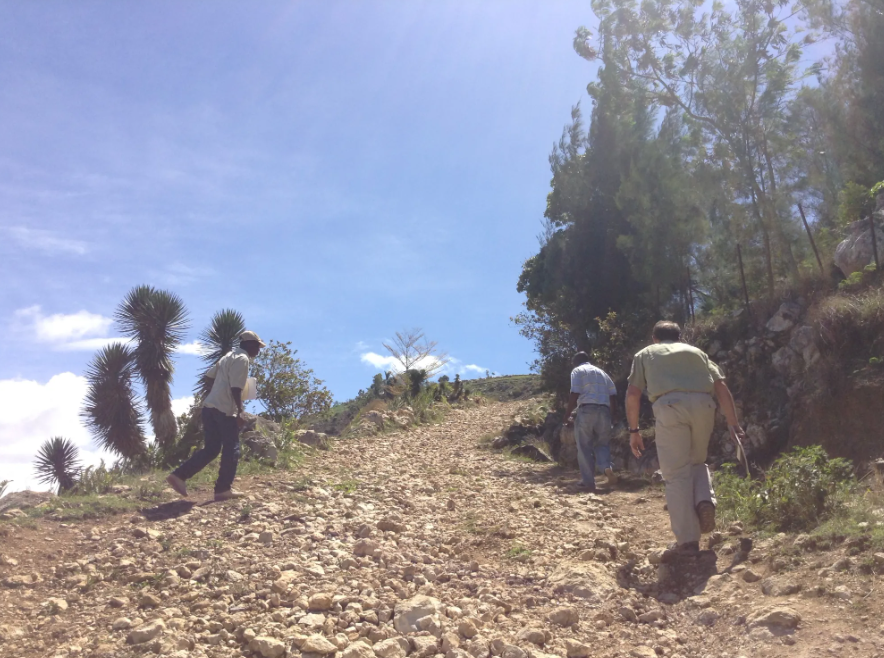

Finally we pulled off the ever-narrowing tire-strip road into a grassy area where we parked the car. The mountain kept going and the road turned into a steep rocky pathway on which we began to walk. About an 45 minutes later, we are on the last couple of turns that are even steeper, smaller, and rockier. We wind around a house here or there and on both sides are fields that are farmed, some at an angle closer to 90° than 45. A couple teenagers appear out of huts and run past us, barefoot and smiling, to beat us to our destination. I'm going slowly because I'm taking pictures every step of the way, thinking, well, these kids aren't sick.
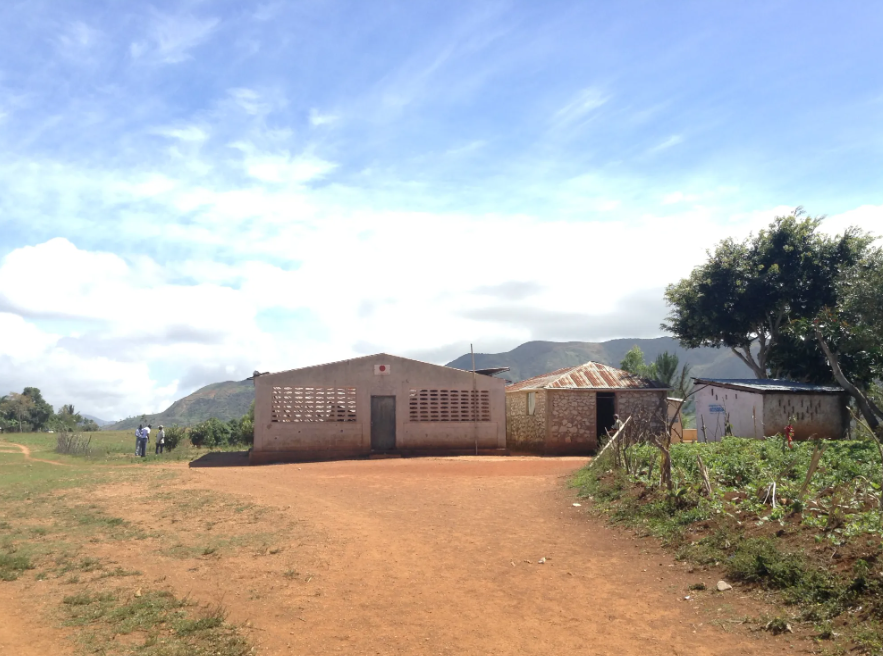
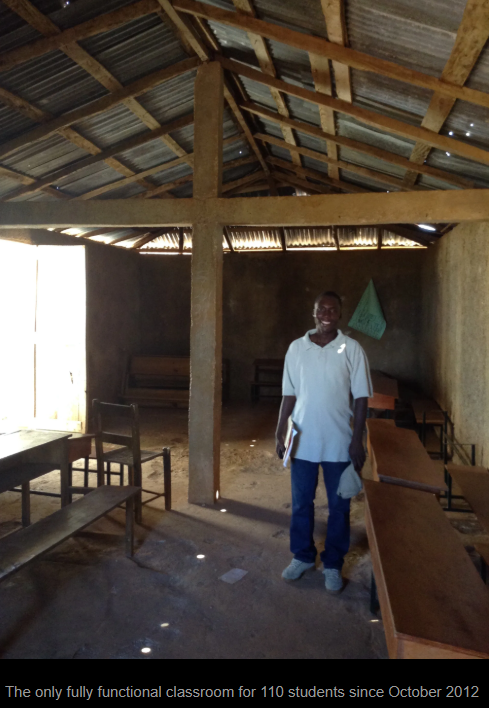
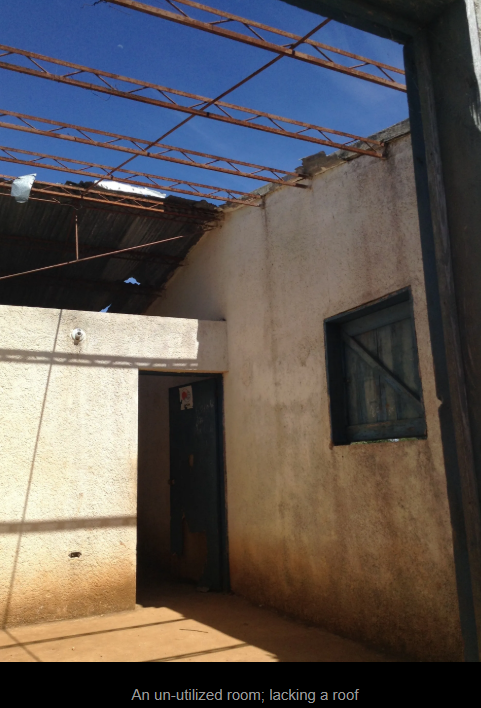
The road leveled out and there's a building before us. Samuel tells us that's his school. As we draw closer, breathless from the hike, we realize the roof is basically in the floor of the school. Samuel was conducting classes in a quarter of the building where they had a little shelter from the sun and wind but probably not from the rain.
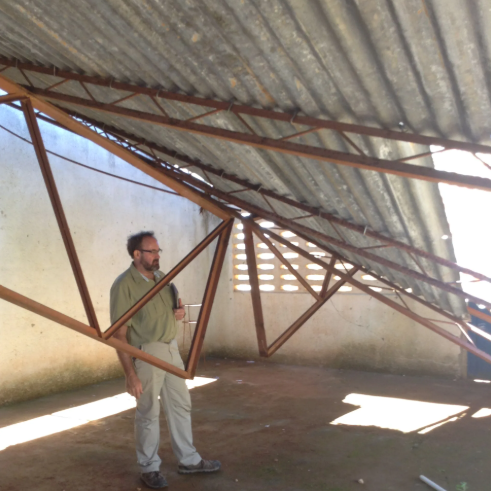
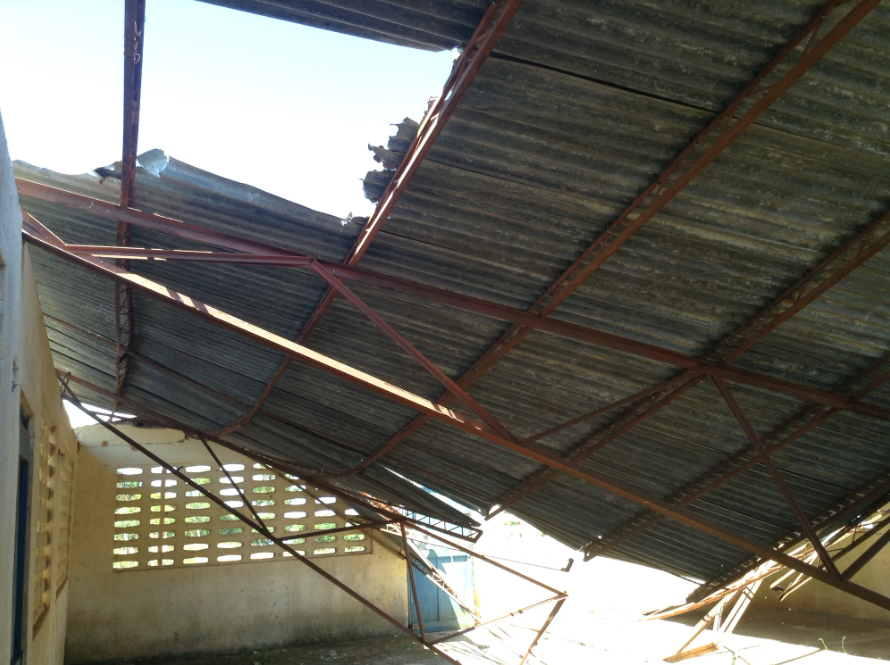
I think Tom's first words were, "they don't need a doctor, they need an engineer!" and indeed that was the case. If you know anything about Tom Tigar, you know he was thrilled. He whipped out his notebook, got to work, and we haven't stopped since.

Share this post

By Katherine Harrison July 27, 2026
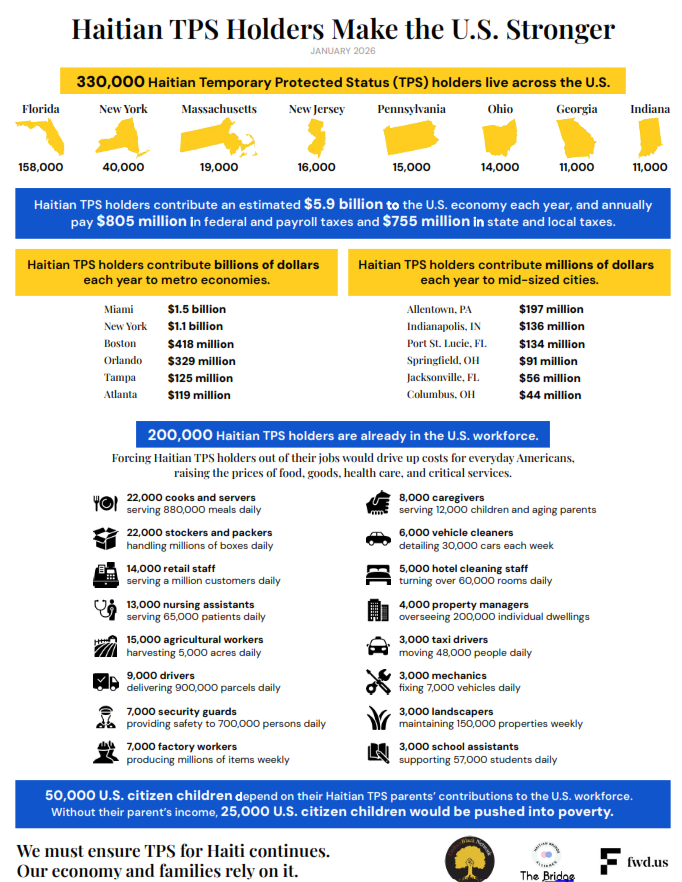
Casual observers of the Temporary Protected Status crisis for Haitians and other nationality groups, including a senator from Ohio, enjoy saying "the T stands for temporary," as though we aren't aware. To emphasize only that T is for Temporary and ignoring that P is for Protected is short-sighted, self-serving, and completely misses the main point of the program. These are people who are fleeing situations in their home country that you nor I can imagine. They flee, learn another language, another currency, another culture, AND attempt to make a living to support their families in the US and sometimes their home country. Another detail people tend to ignore is that the TPS program itself does not offer a path to citizenship or residency. No, that is a completely different maze of departments, rules, costs, and attorneys that an already-intimidated immigrant must navigate. And while navigating, they are easy targets for bad advice or worse, scam artists looking for easy money. Yet another detail glossed over is this: TPS beneficiaries are held to the same legal standards as everyone else. TPS absolutely does NOT protect against criminal behavior. They risk deportation as a consequence of breaking the law. Today's ending of TPS for Haitians is so egregiously against our country's stated ideals of Refuge and Opportunity: Welcoming people seeking freedom, safety, and a better life. Haitians are being told to return to their home country where they will certainly encounter one of the world's most severe humanitarian crises that is being fueled by gangs using guns FROM THE USA. Yes, it’s been a long while since Haiti was granted TPS status in 2010. In hindsight, the status maybe could have been revoked some years later. But what to do when the country has devolved into its worst state since 2010? Apparently, this Christian country says, “sorry; temporary.” Keep in mind: Our own State Department says "Do Not Travel to Haiti," providing warnings with such strong language as "murders, kidnappings, robberies, assaults, sexual assault...." yet the country is deemed safe enough for the return of 350,000 Haitian bodies.  Our own FAA has banned all flights to Port-au-Prince. To deport, the government will have to use charter aircraft, or military aircraft. Note: when the US government sent flights back to Guatemala recently, the cost to the US taxpayer was $8,000 per deportee. Multiply that by 350,000 Haitian TPS holders: $2.8 million of taxpayer dollars. TPS beneficiaries are providing valuable services to U.S. society and contributing to our economy; they are paying taxes into the US economy and will NOT receive any benefits back from the government (Soc. Sec., unemployment, Medicare); their reward is being in America. The lives of Haitian TPS beneficiaries will certainly be endangered by their return. They will be targeted by gangs for the simple fact they had the courage and means to leave the country in the first place. And since the US government has announced that deportees will have a certain amount of US Dollars in their possession upon deportation, lives will be lost on the off chance that money can be taken. The entire country of Haiti is beyond her breaking point; sending hundreds of thousands of souls back there will further stress and destabilize the country.
By Katherine Harrison July 5, 2026
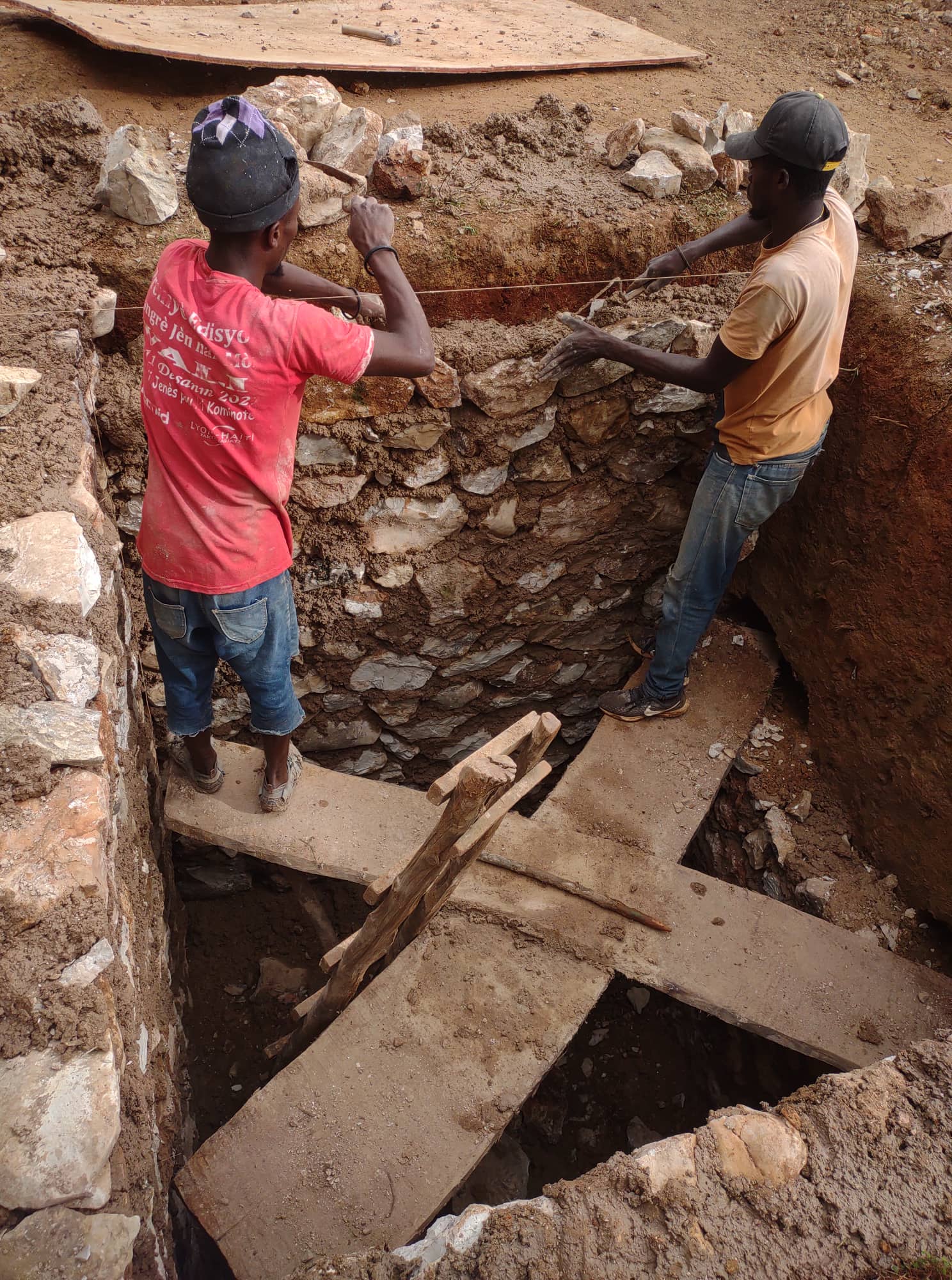
Thanks to the support of a generous and practical-minded supporter, we built our first public latrine in July 2026! It is situated between the two villages we serve, Piton & Piton West, on the footpath used by the local villagers, and those coming from further away. Activities in Piton have increased greatly. The population has more than doubled due to the arrival of refugees from the Port-au-Prince area and villages in between. More people visit these two mountain top villages now more than ever, and the need for a public latrine is urgent for the sake of sanitation. This post will be updated with photos as construction continues.
By Katherine Harrison June 26, 2026
Three Things Email for 26 June 2026
By Katherine Harrison June 26, 2026
**Note 7/17/2026: Scroll down to read the new bill to extend TPS and to see language for a letter to your senators!
By Katherine Harrison June 26, 2026
US Department of State Travel Advisory to Haiti
By Katherine Harrison June 19, 2026
Three Things Email for 19 June 2026
By Katherine Harrison June 17, 2026
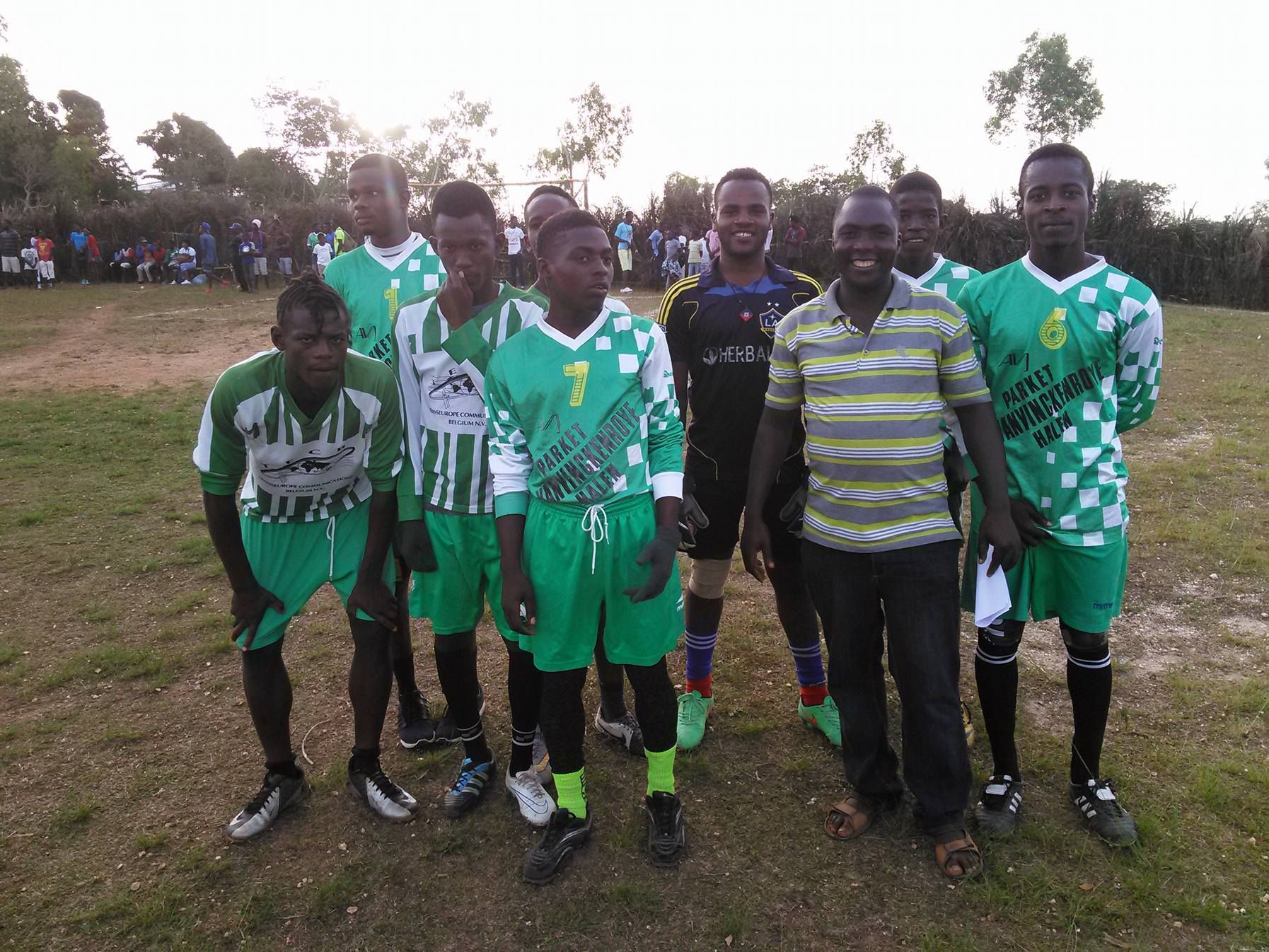
We all know how team sports provide powerful benefits for kids' mental health and behavior. Here's a few:
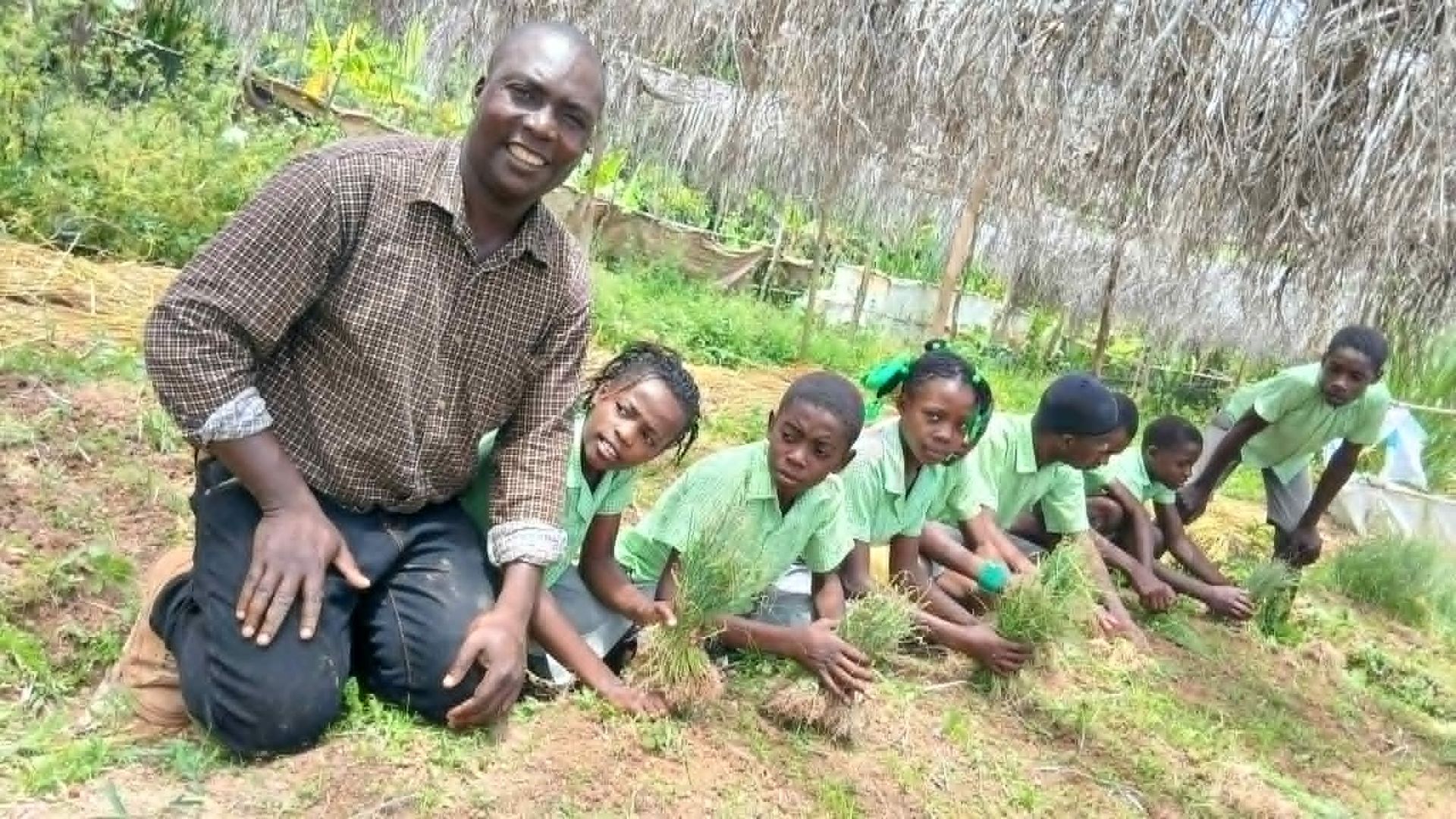
Samuel and students kneeling in a garden.
By Katherine Harrison June 11, 2026
There's a lot happening in Piton this summer!
By Katherine Harrison May 29, 2026
Three Things Email for 29 May 2026
By Katherine Harrison May 22, 2026
Three Things Email for 22 May 2026